
Sometimes a behaviour is the only way a person can say, “Something isn’t working for me.”
It might be a need that isn’t being met. A change that feels too big. Pain that hasn’t been picked up yet.
A room that’s too loud, too bright, too unpredictable. And sometimes, the behaviour can put the person (or others) at risk — not because they’re “being difficult”, but because they’re trying to cope with something that feels unmanageable.
The National Disability Insurance Scheme talks about this clearly: behaviour has a purpose, and it often communicates a message. When behaviour starts causing harm or seriously affecting day-to-day life, it may be described as a behaviour of concern.
Positive Behaviour Support (PBS) is the approach designed to respond to that message with dignity, skill, and practical support strategies.
What is Positive Behaviour Support (PBS)?
Positive Behaviour Support is a respectful, evidence-based approach that aims to help a person live a safer, more connected life by understanding why a behaviour is happening and putting the right supports in place.
In the NDIS Commission’s easy read wording, PBS aims to help you “live your best life” — by helping people around you understand your behaviour, meet your needs, and provide the right support.
When behaviour becomes “a behaviour of concern”

The NDIS describes behaviours of concern as behaviours that happen with a frequency, intensity, or duration that puts the person (or others) at risk of harm — physical harm or other kinds of harm to wellbeing and quality of life.
This can look different for everyone. It might be physical aggression, yelling, property damage, unsafe, impulsive behaviour, self-injury, or behaviour that stops a person from doing the things they want to do or going where they want to go.
What PBS is trying to change (and what it’s trying to protect)
Positive Behaviour Support is about making life work better and is designed to support things like:
- getting support that meets your needs
- having choice and control
- participating in your community
- building relationships and getting along with others
- learning new skills and coping strategies
- being safe
At its core, PBS aims to improve quality of life, understand the reasons behind behaviour, meet needs in safer ways, and reduce behaviours of concern over time.
How this works in practice
PBS is usually delivered by a specialist behaviour support provider, and it involves building a plan with the person and the people around them.
Step 1: Understanding what’s driving the behaviour
This is where a practitioner gathers information about what’s happening before the behaviour, what the behaviour looks like (how often, how long, how risky), and what tends to happen after the behaviour. This helps identify patterns, triggers, and unmet needs.
The NDIS refers to this as a functional behaviour assessment (or behaviour assessment), and it should consider the person’s individual circumstances, including culture and beliefs.
Step 2: Building a Behaviour Support Plan (BSP)
A Behaviour Support Plan is the practical “how we’ll support this person” document. It is written with the person and typically includes family, carers, providers, and support workers. The plan may include strategies that:
- build skills (including safer ways to communicate needs)
- adjust the environment (routines, lighting, noise, predictability)
- guide the support team in consistent, respectful responses
Step 3: Making sure the plan is usable
PBS doesn’t stop at writing a plan. Practitioners support the people around the participant to use it properly, monitor whether it’s working, and adjust strategies as needs change.
Learn more by reading the NDIS Quality and Safeguards Commission article.
Interim vs comprehensive Behaviour Support Plans
The NDIS Commission describes two types of behaviour support plans.
Interim Behaviour Support Plan. This is short-term and focused on immediate safety — especially relevant when restrictive practices are being used or may be needed.
Comprehensive Behaviour Support Plan. This is more detailed and is typically built after an assessment. It explains why the behaviour is happening and how supports can meet needs in better ways over time.
The role of restrictive practices (and why PBS works to reduce them)
Sometimes a plan includes restrictive practices — interventions that restrict a person’s rights or freedom of movement (for example, locking cupboards or using protective equipment).
NDIS guidance is clear: restrictive practices must be a last resort, used only after other strategies have been tried, and for the shortest time possible, because they can impact human rights.
PBS aims to reduce the need for this over time by meeting needs earlier, building skills, and making supports more consistent and effective.
That’s why PBS often involves working alongside other allied health professionals. The NDIS guideline gives examples such as collaborating with NDIS occupational therapy and NDIS speech pathology, where assessments and strategies come together to support communication, sensory regulation, daily routines, and safety.
What LifeLift does in Positive Behaviour Support
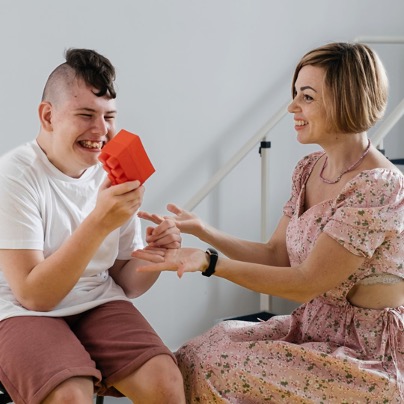
LifeLift provides NDIS Behaviour Support for participants across Perth and surrounding regions, including Bunbury and selected areas of regional WA. LifeLift’s PBS approach is built around understanding what’s driving behaviour, supporting the person’s dignity, and building strategies that fit real life — not just a report.
Support is collaborative, involving the participant and (where appropriate) parents, carers, or other key people in their support network. The goal is to create a plan that’s practical, consistent, and aligned with what matters most to the participant: independence, participation, and day-to-day well-being.
LifeLift currently has no waitlist, with immediate availability for new participants. If you have been putting off getting started, or have been stuck waiting with another provider, support is ready now. Referrals are processed with a fast turnaround, so participants and families can move forward without unnecessary delays.
If you’d like to explore related articles and practical NDIS therapy guidance, you can also browse the LifeLift blog.
Need support? Speak to LifeLift
Looking for Positive Behaviour Support in a practical, person-centred way? LifeLift can help.
LifeLift offers Positive Behaviour Support services, including behaviour assessments, planning, and NDIS Autism Support by an experienced allied health team.
We are a trusted NDIS provider that recognises the need for empathy and are AHPRA-registered therapists who help children develop skill sets and equip behavioural tools.
We approach behaviours of concern with compassion and curiosity, recognising that behaviour is influenced by many factors — social experiences, physical wellbeing, emotional regulation, communication challenges and the surrounding environment.
Our therapists and specialists work alongside you and your child to understand what’s driving those behaviours, set meaningful and achievable goals, and provide consistent, high-quality support every step of the way. At LifeLift, we value customised care, empathy, and dedication.
To talk with the team or make a referral, call up 08 6244 5353 or email info@lifelift.net.au. You can also submit a referral online.