

Although an occupational therapist is not a psychologist and does not diagnose or treat mental health conditions, occupational therapy supports people to participate in daily life when mental health challenges affect every day functioning.
With specialised skills and a compassionate approach, an OT supports individuals to develop practical strategies, establish routines that work for them, and strengthen participation in activities that provide connection and meaning.
Recovery-focused supports are available for individuals living with mental health challenges, but what exactly does an occupational therapist do to support participation in daily life? This article is a practical guide for people on the NDIS looking to become more independent.
What is a Psychosocial Disability?
A psychosocial disability occurs when a mental health condition becomes severe enough to significantly affect a person’s social well-being and their ability to participate fully in everyday life. This can make it challenging to engage in education, employment, or training, limit involvement in social or cultural activities, and impact a person’s capacity to plan, set goals, or maintain supportive relationships.
While not everyone with a mental health condition will experience a psychosocial disability, the NDIS most commonly recognises psychosocial disability in relation to enduring mental health conditions such as:
- Depression
- Bipolar disorder
- Anxiety disorders
- Post-traumatic stress disorder (PTSD)
- Schizophrenia and schizoaffective disorder
- Obsessive compulsive disorder (OCD)
- Severe social phobia
- Agoraphobia
What Does an Occupational Therapist Do for Mental Health?

While occupational therapists are often associated with supporting mobility and physical rehabilitation, the main goal for an occupational therapist is to help people participate in meaningful activities that form identity, well-being, and purpose. This could be attending an event with a group, assistance with travel, and discussing the idea of a NDIS-funded support worker.
Rather than focusing on diagnosis, an OT considers how mental health-related experiences influence a person’s ability to participate in daily tasks, routines, and community life.
They may support a person to develop routines that promote rest and sleep, strengthen self-care skills, or build capacity to participate in education, employment, or volunteering. Routines can be developed to support energy levels, engagement, and confidence, helping individuals participate in daily life in ways that suit their needs and preferences.
For example, an OT may identify sensory or environmental supports that enable participation, such as recommending low-cost assistive tools or environmental adjustments, where these align with the participant’s NDIS goals and plan.
The NDIS recognises the value of this support, allowing eligible participants to access mental health–focused occupational therapy as part of their funding for psychosocial disability.
At LifeLift, our occupational therapists focus on functional, participation-based supports and work alongside other allied health professionals where psychological therapy is part of a participant’s broader plan.
Here is what an OT might do in more detail
Occupational therapy plays a vital role in mental health by supporting people to engage in meaningful, purposeful activities that promote daily functioning, structure, and participation.
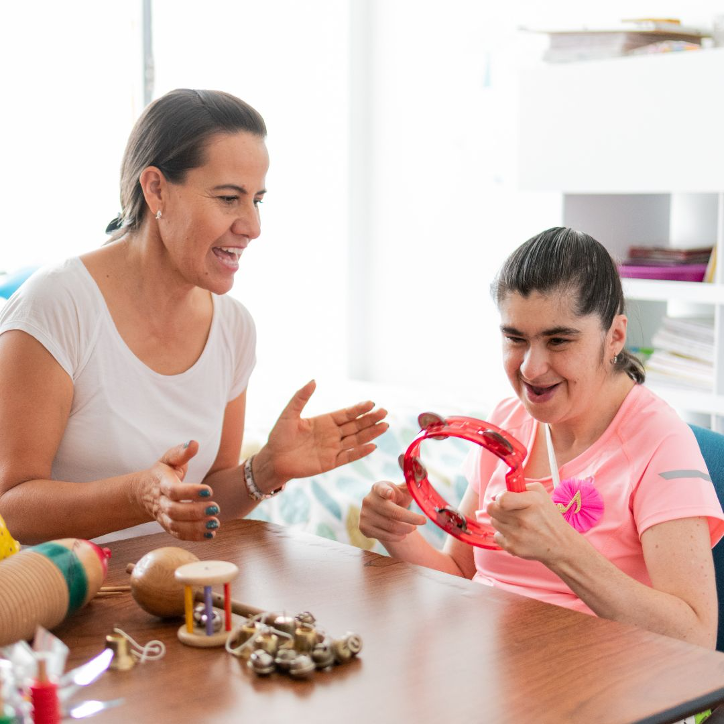
- Creative, expressive activities like music, art, or journaling to encourage relaxation and emotional expression
- Life skills programs like cooking, budgeting, or personal organisation to develop practical, everyday competencies
- Introduce practical sensory and environmental strategies, such as structured routines, sensory tools, or access to quieter spaces, to support regulation and participation
- Use graded, purpose-driven activities to rebuild structure and focus, offering simple yet meaningful tasks that encourage participation without causing overwhelm
- Support individuals to develop practical strategies that assist with participation in daily routines, roles, and environments
- Introduce sensory and environmental strategies that support participation and comfort in everyday settings
- Routine-building and goal-setting supports to assist with re-engagement in community, education, or work roles
How Can LifeLift Help NDIS Participants?
Our NDIS occupational therapy services support participants across the Perth metropolitan area and surrounding regions, with services delivered in home, school, or work settings where appropriate.
To support this growing demand in Western Australia, LifeLift now offers expanded mental health OT services to NDIS participants in Bunbury, surrounding regions, and throughout the Perth metropolitan area. We also offer:
- NDIS Behavioural Support in Perth
- NDIS Physiotherapy in Bunbury and Perth
- NDIS Psychological Therapy in Bunbury and Perth (delivered by registered psychologists)
- NDIS Functional Capacity Assessments
Our qualified and compassionate occupational therapists are AHPRA-registered and NDIS-approved, providing care that prioritises each person’s wellbeing, independence, and overall quality of life.
When mental health challenges significantly affect day-to-day functioning, a person may experience what is known as a psychosocial disability. Under the National Disability Insurance Scheme, individuals with psychosocial disabilities may be eligible for funded supports to access the essential services they need to live well and work toward recovery.
LifeLift’s broader allied health team, including behaviour support practitioners and psychologists, may work alongside occupational therapists where appropriate to support participant goals.
Where participants are also receiving psychological supports, registered psychologists may assist with therapeutic interventions such as cognitive behaviour therapy (CBT), exposure therapy, or grounding strategies. Occupational therapists do not deliver psychological therapy and instead focus on supporting the practical, day-to-day application of strategies within real-life routines, environments, and roles.
Instead of addressing symptoms in isolation, OTs consider how mental health experiences impact a person’s ability to participate in meaningful roles and environments, and work alongside the participant to identify practical, goal-aligned supports.
When psychologists and occupational therapists work collaboratively, participants can be supported at both emotional and functional levels, with each discipline operating within its defined scope of practice.
For NDIS participants, these services may be included under Improved Daily Living, Improved Relationships, or Core Supports, depending on the participant’s goals and plan.
LifeLift Mental Health OT Services in Bunbury: Feel Supported
Are you, or do you have a loved one who is an NDIS participant and needs behaviour support, improved daily living skills, sensory regulation, improved relationships, or a functional capacity assessment by an OT?
At LifeLift, our mental health occupational therapists work alongside our broader allied health team, including psychologists and counsellors, to ensure you receive holistic, person-centred care that aligns with your NDIS goals.
If you already have NDIS funding and want to start receiving support (or if you are unsure whether mental health OT is covered under your plan) we’re here to guide you every step of the way.
Contact us by emailing info@lifelift.net.au or calling (08) 6244 5353 and let us lift you up.
Fill out our referral form online.